
When Fasting Doesn’t Work: What I Learned the Hard Way
I’ve written before about the power of intermittent fasting—specifically fasting for 16 hours a day—and when done right, it truly works wonders. The clarity, the lightness, the way your body feels like it’s finally cooperating with you instead of fighting you—it’s real.
But here’s the truth no one really talks about: fasting only works if you do it right. And recently, I learned that the hard way.
The Reality of a Busy Workday
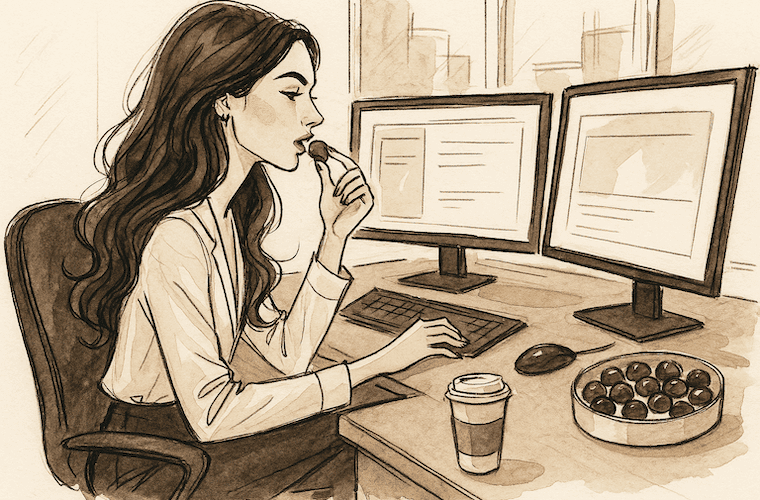
I go into the office most days, and once I sit down, that’s it—I’m glued to my screen. Spreadsheets, reports, emails—it’s an endless scroll. I don’t really stop to think about what I’m eating, let alone how I’m eating it. My snacks are right in front of me, and for most of the day, I don’t move. The only time I actually get up is to grab lunch.
In theory, I’m fasting for 16 hours, which means I eat breakfast, eat around noon, and then stop by 3-4. It sounds disciplined, right? But here’s where I started slipping: I convinced myself that because I was fasting, I could eat whatever I wanted during my eating window.
It’s such an easy trap to fall into. You tell yourself, Well, I’m not eating for most of the day, so this doesn’t count as much. But it does. Every bite counts.
When Fasting Becomes an Excuse
At first, I thought I was being mindful. I wasn’t eating “bad” foods—at least, not in my mind. I’d snack on Triscuits (whole grain, so that’s healthy, right?), a sliver of my homemade pound cake (made with rice bran oil, not butter—so again, it felt “better”), and maybe a few bites of low-carb pasta for dinner.
But here’s the problem: carbs are sneaky. Even when they’re dressed up as “healthy” or “low-carb,” they add up quickly—especially if your body is sensitive to them.
One day I stepped on the scale and was genuinely confused. I hadn’t eaten late at night, I was sticking to my fasting window, and I wasn’t binging. Yet the number wasn’t budging. In fact, it was going up.
That’s when it hit me: fasting alone doesn’t guarantee results if your food choices are working against you.
The Hidden Carb Trap
Let’s talk about those sneaky carbs for a second.
It’s easy to think of carbohydrates as just bread, pasta, and sugar. But they show up in so many everyday foods we don’t think twice about—like crackers, cereals, sauces, and even some so-called “healthy” snacks.
When I started paying closer attention, I realized how quickly they piled up.
A few Triscuits here, a piece of cake there, a scoop of “low-carb” pasta—it doesn’t sound like much, but when you add it all together, it’s enough to throw off your progress.
And the body is honest. The scale won’t lie, and neither will how you feel.
On the days I ate more carbs, I felt heavier. My energy dipped mid-afternoon. My clothes fit differently, and mentally, I felt sluggish. It wasn’t that fasting had stopped working—it was that I was unintentionally undoing my own progress.
The Turning Point
So, I decided to test a theory. What if I simply removed one or two carb-heavy items from my day? No drastic diet overhaul, no punishment—just small, conscious adjustments.
The results? Noticeable almost immediately.
Within a few days, I felt lighter—physically and mentally. My clothes fit better, my energy lasted longer, and that bloated, weighed-down feeling disappeared. The number on the scale dropped too, but honestly, that became secondary to how I felt.
It was a reminder that our bodies are smarter than we give them credit for. When we treat them right, they respond.
The Power of Nutrient-Dense Foods
What worked for me was focusing on protein and nutrient-dense foods.
Instead of reaching for quick snacks, I started preparing small portions of things that actually satisfied me—grilled chicken, boiled eggs, Greek yogurt, and veggies with hummus.
I made sure my first meal after fasting was balanced, not carb-heavy. When you break your fast with sugar or refined carbs, it can spike your blood sugar and make you hungrier later. But breaking your fast with protein, fiber, and healthy fats keeps you steady.
I also made hydration a non-negotiable. Sometimes we think we’re hungry when we’re just thirsty. Drinking water throughout the day became my secret weapon.
And when I really couldn’t handle the hunger, I’d make tea with a splash of 1% milk—just enough to comfort me without breaking my fast. It’s amazing how something so simple can make such a difference.
The Mental Side of Fasting
One thing I’ve learned is that fasting is as much mental as it is physical.
There’s a discipline to it, yes—but there’s also a mindset shift that has to happen. You can’t treat fasting as a free pass to eat anything and everything when your window opens. That’s diet culture disguised as “balance.”
Real balance means awareness. It means paying attention to what your body actually needs—not what your taste buds or emotions are craving.
Some days, fasting will feel effortless. Other days, it will feel impossible. That’s normal. The key is not to use those hard days as an excuse to give up or overcompensate.
What Fasting Taught Me About Myself
Fasting ended up teaching me more about my habits than any diet ever could.
I learned that I snack mindlessly when I’m stressed or distracted. I learned that I often mistake thirst for hunger. And I learned that “healthy” doesn’t always mean “helpful.”
It also taught me patience. Weight loss—or even just feeling good in your body—isn’t an overnight process. It takes consistency, honesty, and a willingness to adjust when something isn’t working.
And maybe most importantly, fasting reminded me that awareness is power.
Fasting Only Works If You Work With It
Intermittent fasting can absolutely transform your energy, your digestion, and your overall relationship with food—but only if you do it right.
That means:
• Be intentional about what you eat during your eating window.
• Limit refined carbs and hidden sugars that sneak in through snacks and sauces.
• Stay hydrated. Water and tea can do more for your cravings than you think.
• Listen to your body. If you’re feeling sluggish or bloated, adjust. Don’t ignore the signs.
• Remember your “why.” Fasting isn’t about punishment—it’s about clarity and balance.
I still fast 16 hours most days, but I approach it differently now. I don’t use it as an excuse to indulge; I use it as a framework to help me make smarter choices.
Some days I slip up—and that’s okay. The goal isn’t perfection. The goal is awareness.
Because once you realize that fasting isn’t a magic trick, but a tool—one that works best when you respect your body—you’ll start to see real, sustainable change.
And when you do, it’s not just about the number on the scale. It’s about how you move through your day—lighter, clearer, and more in control than before.