
The Perfect Neighbor: When Obsession Turns Tragic
I’m a big Netflix watcher—if that means anything—and I admit, I often pick what to watch based on the charts. Sometimes I go with whatever’s trending, and other times it’s something I’m genuinely curious about.
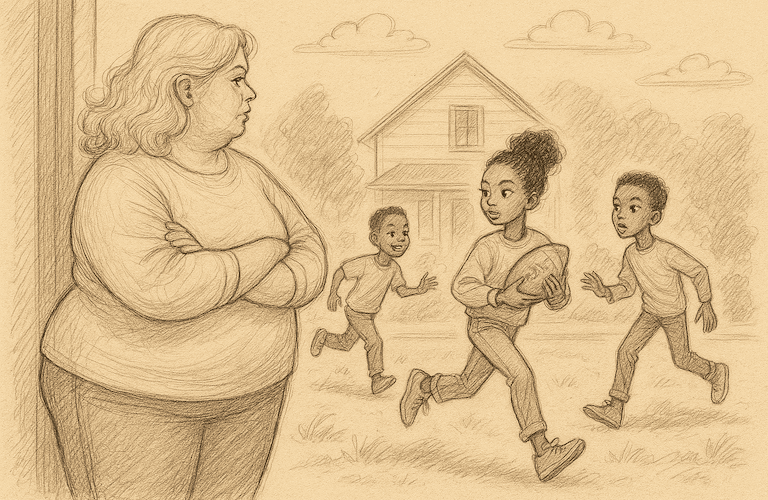
Recently, I saw The Perfect Neighbor sitting at number one and decided to watch. It’s a real-life story that stayed with me long after it ended. The documentary follows a neighbor feud in Ocala, Florida, between Susan Lorincz and Ajike “AJ” Owens, a single mother of four. What began as irritation over noise and kids playing outside ended in tragedy—a fatal shooting that shocked the community.
Two Lives Colliding
The story centers on Susan, who lived in a rented home and seemed to spend most of her days monitoring her neighbors’ children. On the other side was AJ, a hardworking single mom and McDonald’s manager doing her best to raise four kids on her own.
From the footage and interviews, Susan came across as someone detached from reality. She claimed things that didn’t quite add up—like saying she was a doctor or planning to buy the house she rented. Over time, her resentment toward the kids grew. Instead of learning to live with the everyday noise of children, she fixated on it.
Meanwhile, AJ appeared patient, even after police advised her to keep the children off Susan’s property to avoid further conflict. But as we all know, kids are kids—they laugh, they play, they forget. Unfortunately, that forgetfulness became the final straw for a woman who had already decided she couldn’t coexist peacefully.
The Night Everything Changed
On one terrible night, Susan fired her gun through her front door, hitting AJ in the chest. AJ died from the injury—leaving behind four children who no longer have their mother.
Susan claimed self-defense under Florida’s “Stand Your Ground” law, but watching the documentary, it’s hard not to see how much her own obsession played a role. This wasn’t about immediate danger. It was about control, about refusing to let go, and about letting bitterness consume everything around her.
When Things Metastasize
That word—metastasize—really sticks with me. It’s what happens when something small, like irritation or resentment, grows and spreads until it takes over. That’s what happened to Susan. She let her anger metastasize. Instead of living peacefully, she fed it every day until it destroyed not only another person’s life but her own.
What struck me most wasn’t just the crime itself—it was how ordinary it all seemed at first. We all have situations that frustrate us: noisy neighbors, a rude coworker, a family member who tests our patience. But at some point, we have to pause and say, “This isn’t worth it.”
The Real Lesson
The Perfect Neighbor isn’t just about a neighborhood gone wrong—it’s about human nature. It’s about what happens when someone refuses to let go, when boundaries turn into battle lines, and when ego outweighs empathy.
Susan lost her freedom because she couldn’t tolerate life with others. And those four children lost their mother because of it. No one wins in a story like that.
So maybe the lesson here is simple: don’t let anger take root. Don’t let it grow into something it was never meant to be. We can’t control others, but we can control when to step back and defuse instead of ignite.
Because once you lose perspective, you don’t just lose the argument—you risk losing everything.