
From Teenage Survival Tactics to Adult Healing: Breaking the Patterns That Hold Us Back
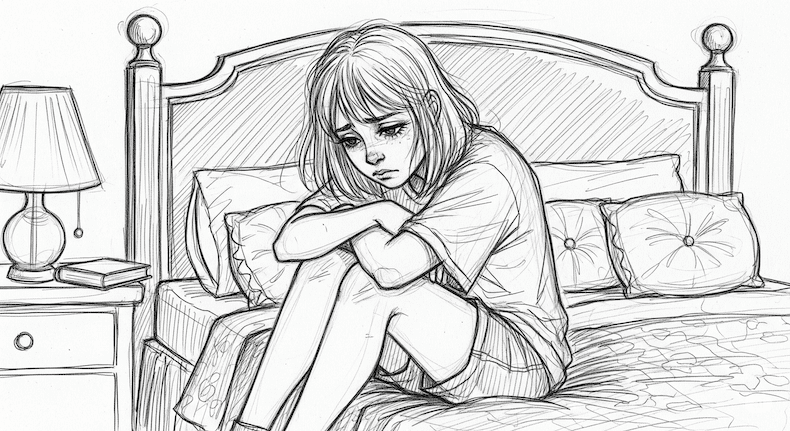
When I was a teenager, I had my own version of teenage coping mechanisms. Back then, it was easier to distract myself—sleep too much, sulk, and disappear into my own little world. It wasn’t about being dramatic; it was survival. Home wasn’t exactly a happy place. It didn’t feel safe. And when you grow up in a toxic home environment, your body and mind do what they must to cope.
Running away was never a real option—I had enough sense to know it wouldn’t end well. So I stayed. I waited. I told myself that one day, I’d leave for school, move out, and life would get better. That was my mindset: hold on long enough to get out.
The problem was, my coping skills were unhealthy. I turned to food for comfort. It was my go-to when I felt stressed or sad—classic emotional eating as a coping mechanism. At the time, I didn’t think about the connection between emotional eating and stress. All I knew was that it gave me a small dose of relief, something to look forward to in the middle of the chaos.
What I didn’t realize then was that some of my saving graces were subtle—like walking to school. It was about a half-hour each way, and those walks became my secret therapy. I didn’t have the words for it at the time, but it was walking as therapy for mental health. Walking there helped me prepare for the day ahead. Walking home helped me decompress before stepping back into the tension. Those quiet moments gave me space to breathe, think, and just be.
I also dabbled in gymnastics, swimming, and martial arts. But here’s where another pattern emerged: I never stuck with them. Sometimes my parents didn’t want to drive me. Other times, I gave up too easily. Looking back, I see it as part of my survival patterns from childhood—starting things but letting go before they could take root.
And here’s the truth: why we carry childhood coping skills into adulthood comes down to this—those strategies once kept us safe. As adults, they often become roadblocks. We keep repeating unhealthy emotional habits until we recognize them, until we decide we’re ready for change.
Am I still living in survival mode?
-
Back then: Absolutely. My goal was to get through each day with the least amount of damage. I avoided confrontation, kept my head down, and did whatever it took to keep the peace—even if that meant silencing myself.
-
Now: I realize survival mode is meant to be temporary. If I stay in it forever, I’m not living—I’m just existing. These days, I check in with myself regularly: Am I making choices from fear, or from growth? That awareness helps me step out of old patterns before they trap me again.
How do I break negative patterns I learned as a kid?
-
Back then: I didn’t even recognize my patterns as “patterns.” I thought that was just who I was—quitting things early, eating my feelings, pulling away from people.
-
Now: I know change starts with noticing. When I catch myself repeating an old behavior, I pause. I ask myself what I really need in that moment. I’ve learned to replace avoidance with healthier coping tools—like journaling, walking, or having an honest conversation. That’s turning survival mode into growth mode.
What does self-awareness and growth actually look like for me?
-
Back then: I thought growth was something that happened naturally with age. I assumed that once I moved out and life got “better,” I’d automatically become a healthier version of myself.
-
Now: I know self-awareness and growth are daily choices. It looks like paying attention to my triggers, owning my mistakes, and giving myself grace while I work on them. It’s self-reflection and emotional resilience—choosing to face what hurts so it doesn’t control me anymore.
Healing isn’t about blaming anyone from the past. It’s about becoming someone better for yourself now. Because the reality is, the only person left holding the pain in the end… is you. And if you’re ready, you can choose to let go, grow, and finally breathe in the peace you’ve been chasing all along.