


From Teenage Survival Tactics to Adult Healing: Breaking the Patterns That Hold Us Back
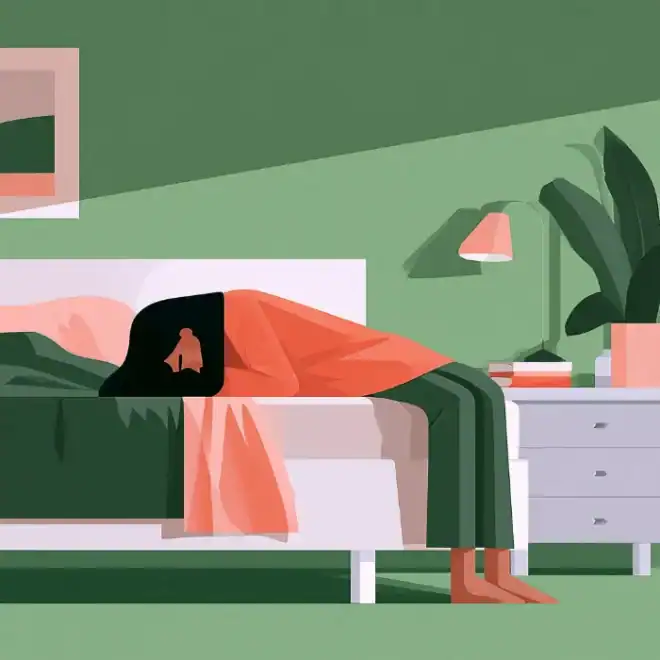
When I was a teenager, I had my own version of teenage coping mechanisms. Back then, it was easier to distract myself—sleep too much, sulk, and disappear into my own little world. It wasn’t about being dramatic; it was survival. Home wasn’t exactly a happy place. It didn’t feel safe. And when you grow up in a toxic home environment, your body and mind do what they must to cope.
Running away was never a real option—I had enough sense to know it wouldn’t end well. So I stayed. I waited. I told myself that one day, I’d leave for school, move out, and life would get better. That was my mindset: hold on long enough to get out.
The Comfort of Old Habits
The problem was, my coping skills were unhealthy. I turned to food for comfort. It was my go-to when I felt stressed or sad—classic emotional eating as a coping mechanism. At the time, I didn’t think about the connection between emotional eating and stress. All I knew was that it gave me a small dose of relief, something to look forward to in the middle of the chaos.
Today, I’ve realized we all need a “warm hug” for our nervous system when things get heavy. Back then, it was food. Now, I look for comfort that doesn’t leave me feeling drained—like the [Shows and Comfort Media That Feel Like a Warm Hug] that help me decompress without falling back into the “doom loop” of old habits.
Finding Therapy in Movement
What I didn’t realize then was that some of my saving graces were subtle—like walking to school. It was about a half-hour each way, and those walks became my secret therapy. I didn’t have the words for it at the time, but it was walking as therapy for mental health. Walking there helped me prepare for the day ahead. Walking home helped me decompress before stepping back into the tension. Those quiet moments gave me space to breathe, think, and just be.
Those walks were my first introduction to the power of routine. Today, I still lean on small, intentional movements to keep my head clear. You can find my full list of [10 Daily Habits for Mental Clarity] to see how I’ve turned those survival walks into a deliberate daily practice.
The Pattern of “Letting Go”
I also dabbled in gymnastics, swimming, and martial arts. But here’s where another pattern emerged: I never stuck with them. Sometimes my parents didn’t want to drive me. Other times, I gave up too easily. Looking back, I see it as part of my survival patterns from childhood—starting things but letting go before they could take root.
Back then, I didn’t have the “fuel” to keep going. Now, I approach growth differently, using [Japanese Principles like Kaizen] to focus on small, continuous improvements rather than the “all or nothing” pressure that used to make me quit.
Breaking the Cycle: Then vs. Now
Why we carry childhood coping skills into adulthood comes down to this: those strategies once kept us safe. As adults, they often become roadblocks. We keep repeating unhealthy emotional habits until we recognize them, until we decide we’re ready for change.
Choosing to Let Go
Healing isn’t about blaming anyone from the past. It’s about becoming someone better for yourself now. Because the reality is, the only person left holding the pain in the end… is you.
If you’re ready to stop just existing and start truly living, I’ve put together a resource to help you bridge that gap. My e-guide, “Stronger Than You Think…”, is designed to help you recognize those old survival shields and finally put them down.
When you’re ready, you can choose to let go, grow, and finally breathe in the peace you’ve been chasing all along.