
You Can’t Control It
Let Go. Show Up. Live Anyway.
The Illusion of Control
We spend years gripping the wheel of life so hard our knuckles turn white—planning, anticipating, rehearsing every possible disaster so we can say we’re “prepared.” I did this for decades: managing every work crisis, smoothing over family chaos, and trying to hold my personal life together with sheer willpower.
Then my father got sick. The job became unbearable. The weight of being “the responsible one” stopped feeling like pride and started feeling like a prison.
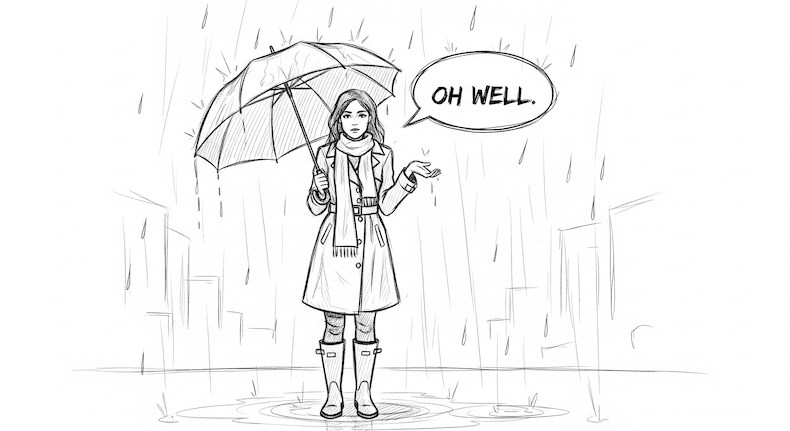
And here’s the truth that hit me like a cold wave: I never had control. Not over people. Not over circumstances. Not over life’s wild, unexpected left turns.
But I could choose peace. I could stop clinging. I could start living in the middle of the mess—without needing the mess to disappear first.
Part 1: The Myth of Control
1. Control Is a Coping Mechanism
We don’t obsess over details because we’re naturally uptight. We do it because at some point, chaos burned us, and “being on top of everything” felt safer.
This chapter unpacks how childhood patterns, trauma, and years of being overlooked train us to keep a tight grip—even when the rope is burning our hands.
2. The Pressure to Perform
Especially for women, society still whispers (and sometimes shouts) the same outdated memo: Be perfect, be calm, be responsible—no matter what it costs you.
Even if you’re running on fumes, you’re expected to smile. Even if your world is on fire, you’re supposed to make it look like scented candles.
3. Letting Go Isn’t Weakness—It’s Strategy
We equate “letting go” with losing. In reality, it’s a survival skill. This chapter explores the moments when releasing control gave me more power than holding on ever could—from walking away from an impossible job dynamic to choosing silence instead of one more argument.
Part 2: What You Can Control
4. Your Reaction Is Your Power
You can’t stop your coworker from being a passive-aggressive nightmare or your relatives from pushing your buttons. But you can decide whether they get a show. This is where emotional maturity is forged—in cubicle cold wars, holiday dinners, and parking lot confrontations.
5. Boundaries Are Love in Action
“No” is not a bad word. Not explaining yourself is not rude. And guilt? It’s a cheap trick. We’ll talk about the art of saying no and the quiet satisfaction of watching your energy stay where it belongs.
6. Your Quiet Life Is Still a Victory
Strength doesn’t always roar. Sometimes it makes tea and locks the door. You don’t have to live loudly for your life to matter.
Part 3: Living Through the Storm
7. When It All Feels Too Heavy
From caregiving for aging parents to absorbing bad news on repeat, there are seasons when life feels like a weight you can’t set down. We’ll talk about how to keep walking even when the ground feels unsteady.
8. The Body Keeps the Score—And So Does the Soul
Stress isn’t invisible—it shows up in your back pain, your migraines, your exhaustion. And it also hides in your spirit, numbing joy. This chapter dives into recognizing the signs and tending to yourself like someone worth saving (because you are).
9. Small Joys, Real Wins
A warm cup of tea. Writing a blog post. Singing in the car with the windows down. In a world that demands big wins, this is about reclaiming the small ones that keep you alive.
Part 4: Becoming Unshakeable
10. You’re Not Crazy—You’re Just Awake
When you stop people-pleasing, you’ll notice something strange: the world pushes back. But the discomfort is proof you’re growing, not breaking.
11. Your Plan B Might Be Your Best Life
Sometimes the dream doesn’t happen—and the backup plan turns out better. This chapter is about accepting the detour and discovering that Plan B can be the version of your life you actually needed.
12. The Future Is Yours to Shape—Even Without Control
You can’t control the weather, the market, or the people around you. But you can quietly build a life that feels like yours. This chapter closes with the idea that letting go isn’t giving up—it’s making space for what’s meant for you.